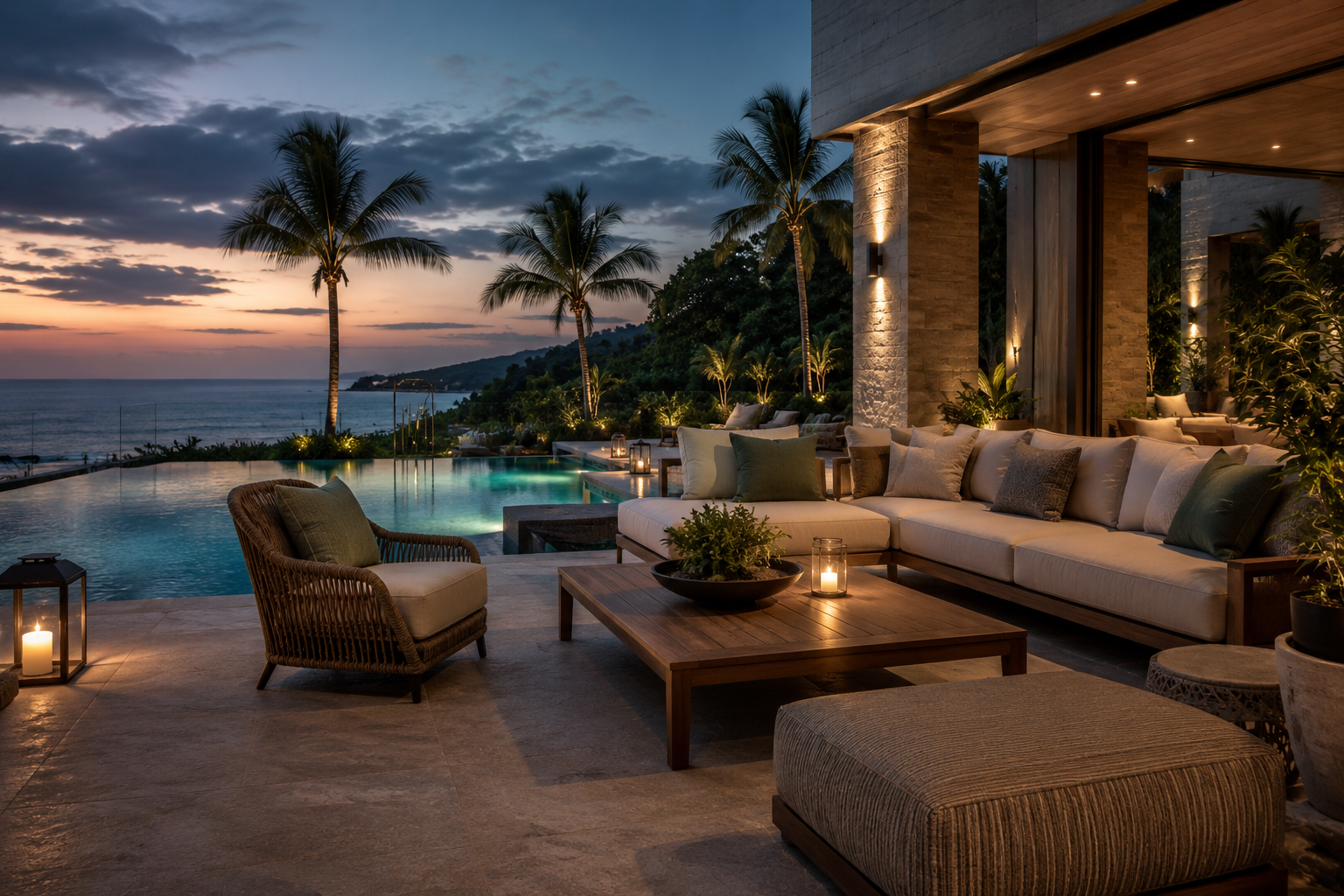
Selecting Materials for Landscaped Environments
Selecting Materials for Landscaped Environments. Practical guidance on materials, durability, sizing, maintenance and selection for outdoor spaces in India.
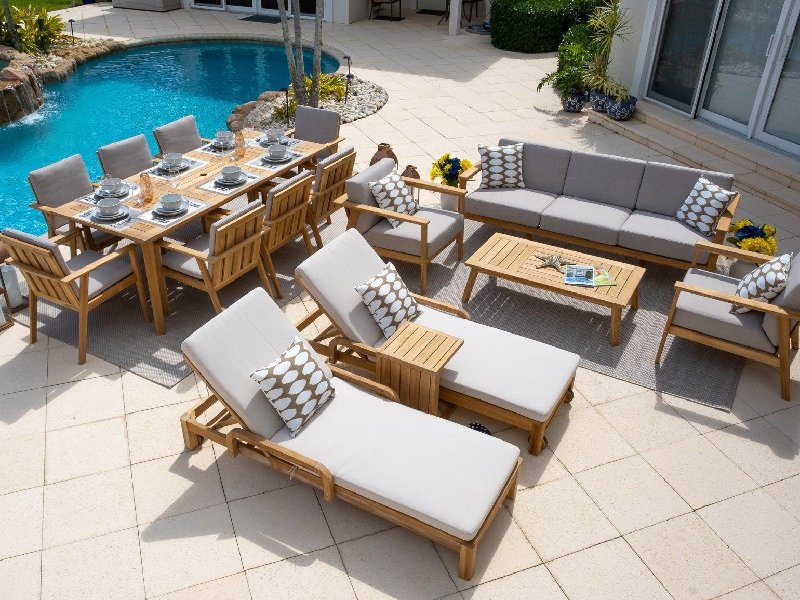
Selecting Materials for Landscaped Environments is intended for landscape architects, planners, developers and design teams who want to make a more informed decision about outdoor furniture. Outdoor furniture performs under sun, rain, dust, humidity, frequent cleaning and changing patterns of use, so appearance alone is not enough. The right choice should combine comfort, proportion, material performance, maintenance and a clear understanding of where the furniture will be used.
Design and performance should work together
Outdoor furniture is most successful when it feels visually connected to the architecture and landscape while remaining practical to use. Proportion, colour, texture and material should support the mood of the space, but durability, cleaning and ergonomics should remain part of the design decision.
Project context
In landscaped environments, furniture should support movement, shade, views, planting and gathering patterns without competing with the landscape. Placement, ground condition, exposure and maintenance access are important from the start.
Comfort, dimensions and everyday use
Before finalising a design, check how the furniture will feel after more than a few minutes of use. Seat height, seat depth, back angle, arm height and cushion density affect comfort, while table height and chair clearance affect dining usability. Measure the space with doors, planters, pool edges, service routes and circulation in mind. In compact areas, modular or visually light furniture can preserve openness; in large outdoor areas, grouped arrangements can make the space feel intentional rather than scattered.
Outdoor performance in Indian conditions
Indian projects may face intense summer sun, monsoon rain, dust, humidity and large seasonal temperature changes. Coastal locations can add salt exposure, while pool areas add chlorine and constant moisture. Ask how the frame, coating, weave, rope, timber, fabric and hardware are intended to perform in the actual site conditions. Even outdoor-grade products benefit from sensible placement, regular cleaning and protection during extreme weather or long periods of non-use.
Common mistakes to avoid
- Buying only by appearance without checking the frame and construction.
- Ignoring access dimensions for lifts, staircases, doors or narrow terraces.
- Using indoor cushions or fabrics in exposed outdoor areas.
- Over-furnishing a space and reducing circulation.
- Assuming all metal, wicker, rope or wood products offer the same outdoor performance.
- Not confirming lead time, replacement availability and after-sales support before a bulk order.
Questions to ask the supplier
- Which materials and finishes are used in the frame and exposed surfaces?
- Is the furniture intended for year-round outdoor use?
- What customization is possible for size, finish, weave or fabric?
- What are the expected lead time, delivery conditions and installation requirements?
- What maintenance and warranty guidance is provided?
- For project quantities, can samples or finish references be approved before production?
Final recommendation
Choose outdoor furniture by matching the product to the actual environment and expected use. A well-specified piece should look appropriate on day one and remain practical after repeated exposure and cleaning. For larger residential, hospitality or commercial requirements, review samples, dimensions, material specifications, finishes and quantities before finalising the order. This reduces surprises during delivery and helps create an outdoor space that remains comfortable, coordinated and easier to maintain over time.